Caribbean hospitality is booming. Jamaica alone welcomed a million visitors in the first quarter of 2026, and the region’s average hotel rate has climbed past $437 a night. Trinidad’s cruise and stayover numbers keep climbing, too, with intra-Caribbean travel accounting for a growing share of arrivals as guests book further ahead and stay longer. Barbados continues to post some of the highest visitor spend per person anywhere in the region.
That kind of demand should be great news for every restaurant and hotel in its path. But volume this high exposes a problem: service capacity isn’t growing nearly as fast as demand is. Jamaica just posted its most commercially significant year on record, yet hotel room supply grew by only 4.2% in 2025, while demand grew by 8.7%. When guests are arriving faster than operators can staff and serve them, something has to give, and it’s usually the guest experience at the table.
Where the friction shows up
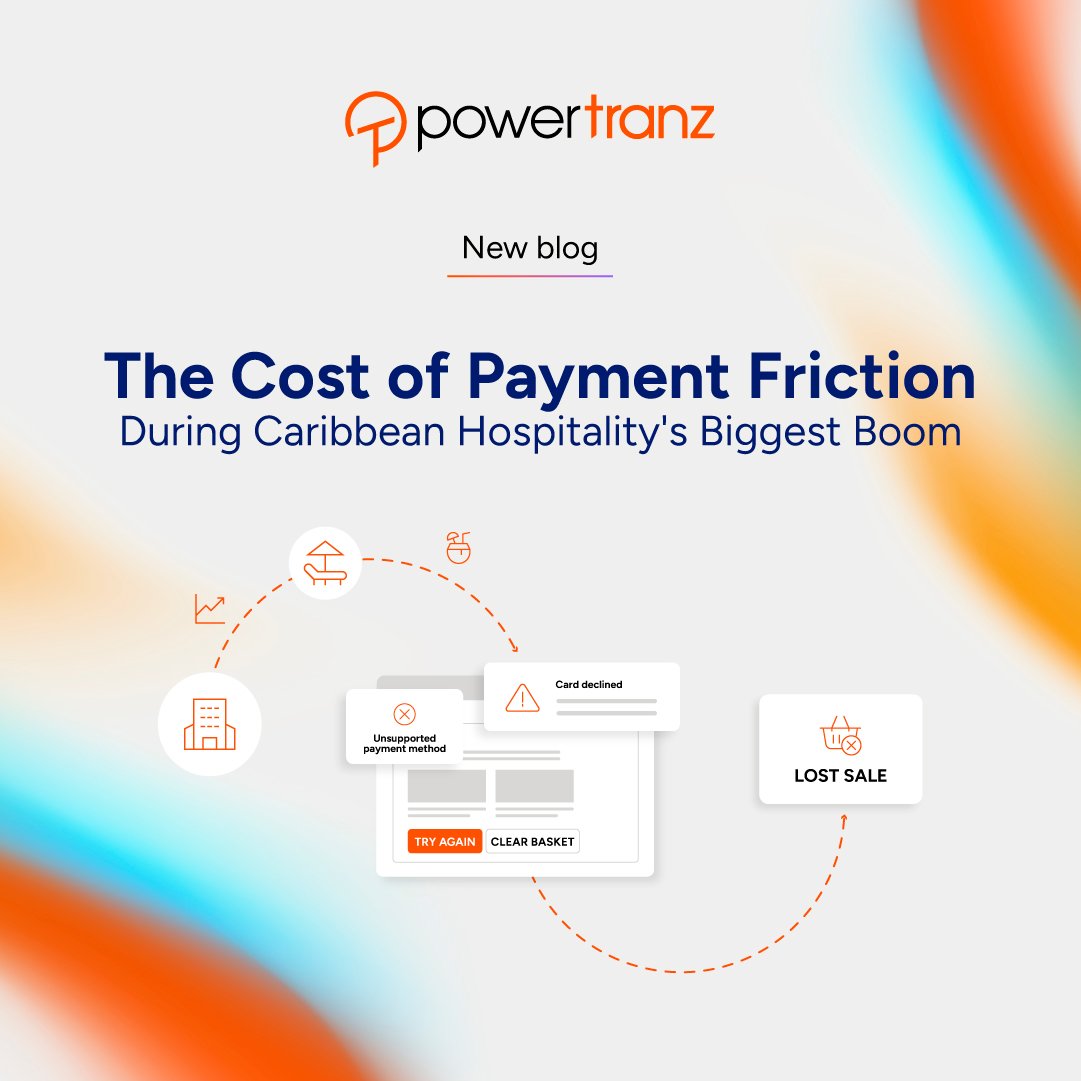
Ask any hotel or restaurant owner in the region, and the pain points sound familiar. Staff are stretched thin trying to run cards back and forth. Tables turn over more slowly than they should during peak season. Bill splitting at a crowded table becomes a five-minute negotiation. And every minute lost to that friction is a minute of spend the property that never fully captures, even when the food and service were otherwise excellent.
Pay at the Table as the fix
This is exactly the gap Pay at the Table, built by Powertranz alongside Meshra, is designed to close. By connecting directly to a restaurant’s existing point-of-sale system, rather than requiring operators to rip and replace anything, the solution lets guests order and pay right from the table using QR codes, tap on their phone, or pay by card, with the option to split a bill instantly.
The numbers make the case on their own. For a 50-table restaurant, digital upsell and suggestive selling alone can lift the average ticket by 15%, roughly $81,000 a month. Layer in advertising impressions on the device screens, sourced from tourism boards, local brands, or the hotel’s own promotions, and that adds another $15,000 to $30,000 a month. All in, that’s close to $108,000 a month in net benefit against roughly $3,000 a month in platform and hardware costs, with the hardware paying for itself in under a month.
Beyond revenue, faster table turnover and less time spent running cards mean staff can put their energy back into service rather than logistics, which matters most in markets like Barbados, where occupancy is strong, and staffing is tight.
As demand keeps outpacing supply across the region into 2026, the properties that solve for friction at the table, rather than just adding more staff, are the ones best positioned to capture the spend that’s already walking through the door.
Watch the full conversation on YouTube
https://www.youtube.com/live/qkCA2ihJYv8?si=XVPcNho0T183L3UR